

Trincomalee
From a clifftop Hindu temple with panoramic ocean views to some of the calmest, whitest-sand beaches on the island, Trincomalee blends history, marine life, and laid-back coastal charm on Sri Lanka’s less-crowded east coast.
Book This Tour →Sri Lanka’s east coast, at its most unspoiled.
Trincomalee sits on one of the finest natural deep-water harbours in the world, its coastline strung with soft, uncrowded beaches and its skyline anchored by Koneswaram, a cliffside Hindu temple with over two thousand years of history. Once a strategic prize fought over by Portuguese, Dutch, and British colonial powers, the city today offers a quieter alternative to the south coast — golden sand by day, temple sunsets by evening, and some of the most accessible whale-watching waters in Asia just offshore.
“A deep-water harbour, an ancient temple on the cliffs, and whales offshore.” Eastern Province, Sri Lanka
Getting There


Soft Sand & Calm Water
For sun-seekers, Trincomalee’s east-coast beaches offer everything the south coast has — with a fraction of the crowds.
Long stretches of powdery white sand and gentle surf make these twin beaches ideal for swimming, sunbathing, and slow mornings by the water.
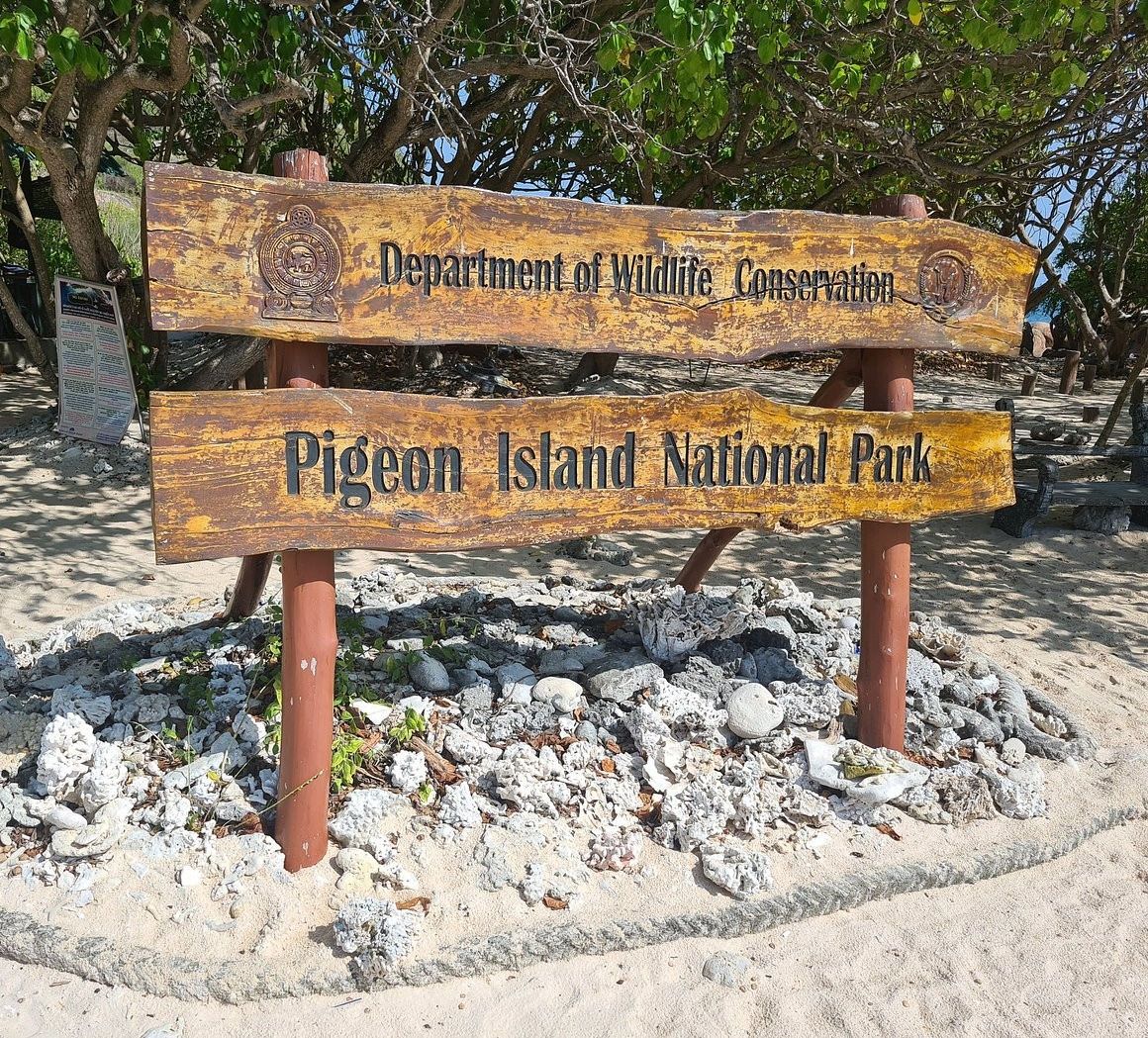
A short boat ride from Nilaveli puts you above shallow coral reefs, blacktip reef sharks, and sea turtles — no dive certification required.
Layers of Empire and Faith
For those drawn to history and culture, Trincomalee’s clifftop fort and temple carry centuries of contested, sacred history.
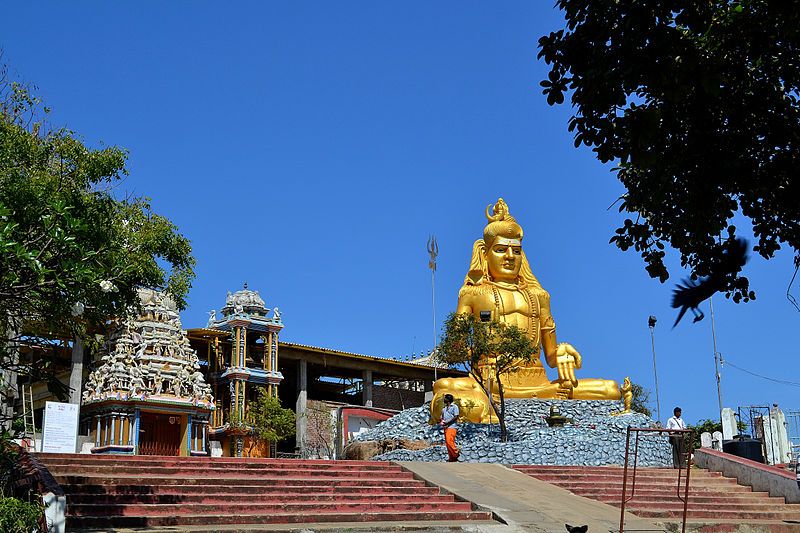
One of Sri Lanka’s five Pancha Ishwarams, this Shiva temple has drawn pilgrims for over two millennia, surviving destruction by the Portuguese in 1624 and later reconstruction.
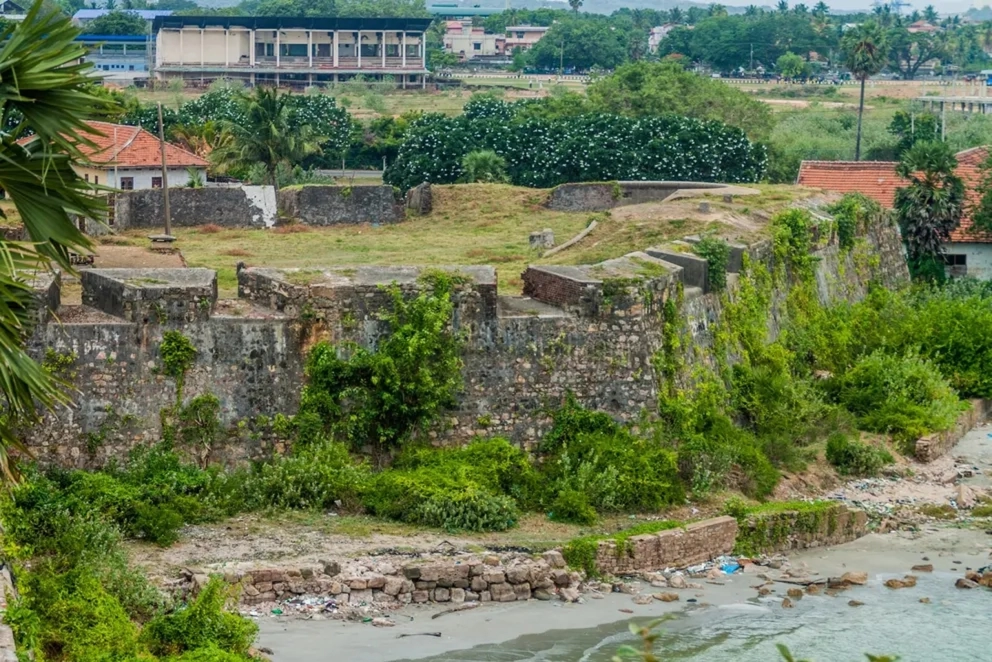
Built partly from the ruins of the original temple, this Portuguese-then-Dutch-then-British fort still guards the harbour approach — and its grounds are grazed by wild deer.
Activities & Nearby Attractions
From March to September, boats depart Trincomalee’s harbour in search of blue whales, sperm whales, and playful pods of spinner dolphins.
Pigeon Island and Coral Cove offer shallow, accessible reefs, while wreck dives such as the HMS Hermes attract more experienced divers.
A short drive from town, these seven ancient wells produce water at differing temperatures, believed locally to have healing properties.
Two moments to remember
Watching the sun sink into the Indian Ocean from Koneswaram Temple’s clifftop is one of the east coast’s defining moments.
Few sights compare to the world’s largest animal breaking the surface just a few boat-lengths away.
Things you’ll do
Walk through Fort Frederick’s grounds to reach this cliffside Hindu temple with sweeping ocean views.
Wade into shallow, coral-filled water just off Nilaveli, home to reef sharks and sea turtles.
Head out by boat in search of blue whales, sperm whales, and dolphins in the deep water off Trincomalee.
When to Visit
Best times to visit, weather & wildlife.
Dry Season (May–Sep)
Clear skies, calm seas, and the best conditions for beaches, diving, and boat trips define Trincomalee’s dry season.
Whale Season (Mar–Sep)
Blue whale and dolphin sightings peak from March through September, with July often cited as the strongest month.
Monsoon (Oct–Apr)
The northeast monsoon brings rain and rougher seas, making this the quietest — and least reliable — time to visit.
Three reasons Trincomalee stands apart.
A Sacred Clifftop Temple
Koneswaram Temple’s 2,000-year history and dramatic Swami Rock setting make it one of Sri Lanka’s most striking religious sites.
World-Class Whale Watching
Deep water close to shore makes Trincomalee one of the most accessible places on Earth to see blue whales in the wild.
Uncrowded Coastline
Long, soft-sand beaches without the south coast’s crowds give Trincomalee a quieter, more relaxed island feel.
“Time it right: sunrise for whales, sunset for the temple.”
With Fly By Travels, your comfort and safety come first. Our licensed boat partners follow responsible whale-watching guidelines, and our drivers know exactly when to have you at Swami Rock for the best light — so your Trincomalee visit hits both the ocean and the sacred cliff at their best.